When Small Drips Become Big Problems: A Practical Guide to Protecting Your Home
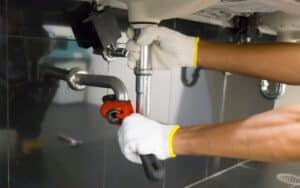
There’s something uniquely stressful about noticing a puddle forming where it shouldn’t be, especially when it’s coming from your water heater. What starts as a minor inconvenience can quickly turn into a costly repair if left unchecked. Many homeowners overlook early warning signs, assuming the issue will resolve itself. Even a slow drip can signal deeper concerns inside your system.
Understanding what to do when you notice a water heater leaking situation can make all the difference. By staying informed and acting quickly, you can prevent damage, save money, and extend the life of your appliance. This friendly guide walks you through the essentials so you can feel confident and prepared.
Why You Should Never Ignore a water heater leaking Issue
A leaking water heater is more than just a nuisance. Water damage can weaken flooring, encourage mold growth, and even impact nearby electrical systems. Acting early helps you avoid unnecessary stress and keeps your home safe and comfortable.
Sometimes leaks are caused by simple factors like loose connections or worn-out valves. Other times, they may indicate corrosion inside the tank or excessive pressure buildup. Either way, identifying the cause is the first step toward finding the right solution.
When you address problems promptly, you also improve energy efficiency. A compromised heater often works harder to maintain temperature, which can increase your utility bills without realizing it.
Early Signs You Might Notice
Homeowners often detect leaks before they become serious by paying attention to subtle clues. Being observant helps you stay ahead of potential repairs.
- Damp spots or small puddles near the base of the heater
Beyond visible moisture, you might also hear unusual sounds like popping or rumbling. These noises can signal sediment buildup, which may contribute to internal damage over time. Additionally, fluctuating water temperatures could indicate that your heater is struggling to perform properly.
A slight metallic or musty smell in the surrounding area is another sign worth noting. While it may seem minor, it can hint at rust or hidden moisture accumulation that needs attention.
What to Do First When You See water heater leaking
The moment you notice water escaping from your heater, it’s important to stay calm and take practical steps. Start by turning off the power supply to prevent electrical hazards. If your system runs on gas, switch off the gas valve as well.
Next, shut off the cold-water supply to stop additional water from entering the tank. This helps minimize flooding and gives you time to assess the situation. Placing towels or a shallow container around the leak can help contain the mess temporarily.
After these immediate actions, take a closer look to identify where the leak is coming from. Connections, pressure relief valves, and drain valves are common trouble spots. However, if water appears to be seeping directly from the tank itself, professional assistance may be necessary.
Preventive Maintenance Tips That Make a Difference
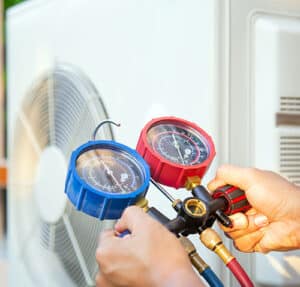
Prevention is always easier and cheaper than repair. Simple maintenance routines can keep your water heater running smoothly for years. Scheduling regular inspections allows small issues to be addressed before they escalate.
Flushing the tank periodically removes sediment that can cause overheating and internal wear. Checking the anode rod also helps protect the tank from corrosion. By staying proactive, you ensure your appliance operates efficiently and safely.
It’s also wise to keep the surrounding area clean and well-ventilated. This reduces humidity and makes it easier to spot leaks early. Installing a drip pan or leak detector can provide extra peace of mind, especially in finished basements or utility closets.
Conclusion
A leaking water heater doesn’t have to turn into a disaster. With timely action, basic awareness, and consistent maintenance, you can protect your home and avoid unexpected expenses. The key is to treat every sign seriously even if the smallest drip deserves your attention.
By understanding the causes, recognizing the symptoms, and knowing how to respond, you empower yourself as a homeowner. Whether you handle minor fixes on your own or call a professional, staying informed ensures you’re always one step ahead.






Post Comment