Picture Books for Kids and Emotional Intelligence: A Powerful Developmental Connection

Parenting advice often focuses on cognitive development: teaching children to count, identify letters, name colors, and solve puzzles. These skills matter, but research is increasingly clear that emotional intelligence, the ability to understand, name, and regulate feelings, is equally critical to a child’s long-term success and wellbeing. And one of the most effective tools for building emotional intelligence in young children is also one of the most beloved: picture books for kids. Through characters who feel big feelings, navigate social conflicts, and find their way through difficulty with honesty and resilience, picture books give children a framework for understanding their own inner lives and the lives of the people around them.
How Stories Help Children Name What They Feel
Young children often experience emotions with an intensity that overwhelms their ability to articulate or manage them. A well-crafted picture book gives them the vocabulary and the narrative framework to make sense of what is happening inside. When a child sees a character who is terrified of the first day of school, or furious at a sibling, or heartbroken over the loss of a pet, they recognize something true about their own experience. That recognition, mediated safely through story, is the beginning of emotional literacy. The child learns not just that these feelings exist but that they are understandable, manageable, and part of the universal human experience.
Specific Emotional Themes Books Address Best
The picture book genre has proven particularly effective at addressing specific emotional challenges that children commonly face. Books about starting school, welcoming a new sibling, navigating a parental separation, dealing with grief, managing anger, and overcoming shyness have all been shown to reduce anxiety and improve coping in children who are facing those specific experiences. The mechanism is partly bibliotherapeutic: seeing one’s own experience reflected in a story reduces isolation and provides a narrative model for how the situation might be navigated. Parents and therapists alike frequently use picture books as gentle, non-threatening entry points for conversations about difficult emotions.
Illustrating Empathy: How Visual Art Teaches Perspective-Taking
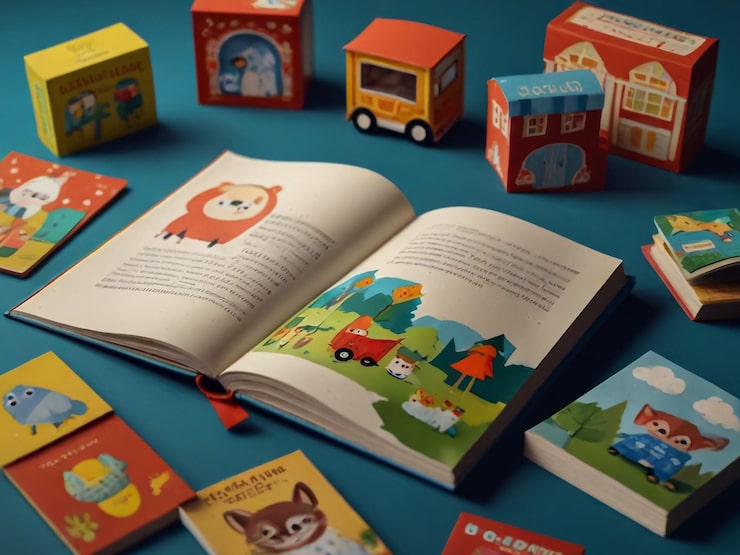
Illustrations do emotional work that text alone cannot. A child looking at the face of a picture book character in a moment of sadness, confusion, or joy is practicing a fundamental empathic skill: reading another person’s emotional state from visual cues. This visual empathy training has real-world application in recognizing and responding appropriately to the emotions of peers, teachers, and family members. The best picture book illustrators understand this and render emotional expression with extraordinary care and nuance. Parents browsing for emotionally rich titles can find excellent options through resources like picture books for kids, which curates content with an eye for both narrative and illustrative quality.
Building Empathy Through Diversity in Picture Books
Picture books that feature characters from diverse backgrounds, cultures, family structures, and abilities do double work. They help children from those backgrounds see themselves represented and valued, and they help children from different backgrounds practice perspective-taking by inhabiting experiences unlike their own. This cross-cultural empathy is not a soft developmental goal. Research in psychology links it to reduced prejudice, greater social flexibility, and better collaborative skills in academic and professional settings. Parents and educators who intentionally seek out diverse picture books are making a strategic investment in their children’s capacity to navigate an increasingly pluralistic world.
Conclusion
The developmental power of picture books for kids extends far beyond story comprehension and vocabulary development. These seemingly simple books are building the emotional architecture that children will rely on across their entire lives. Every time a child sits with a book and meets a character navigating the complexity of being human, they are practicing the skills of empathy, self-awareness, and emotional resilience that will serve them in every relationship and every challenge they face.






Post Comment