What Finding the Best Coffee Beans Teaches Entrepreneurs About Supply Chain Excellence
Supply chain strategy is not a topic that generates much excitement at dinner parties. But it is responsible for more competitive advantages and more business failures than almost any other operational domain. The search for the best coffee beans in the world provides a surprisingly riveting lens through which to examine what supply chain excellence actually looks like in practice, and why it matters so much to the final customer experience. Specialty roasters have developed supply chain frameworks that rival those of companies many times their size.
Direct Trade Versus Traditional Supply Chains: A Practical Comparison
Most commodity coffee moves through a chain of brokers, exporters, importers, and distributors before it reaches a roaster. Each intermediary adds cost and reduces information transparency. Specialty roasters who practice direct trade bypass much of this chain, purchasing directly from farming cooperatives or individual producers. The tradeoffs are real. Direct trade requires more relationship management, more travel, and more complexity. But the benefits are substantial: better quality access, more reliable information about farming practices, faster feedback loops between roaster and producer, and compelling stories that translate directly into marketing value.
Risk Management in Single-Origin Sourcing
Single-origin coffees are beloved by enthusiasts for the terroir they express, but relying on a single farm or region introduces supply risk that multi-origin blends manage more easily. Crop failures, political instability, climate events, and logistical disruptions can all interrupt supply from a single source. Elite roasters manage this through diversified sourcing portfolios. Multiple farm relationships within a region, relationships across multiple regions, and strategic green bean inventory management all buffer against supply disruptions without sacrificing quality standards. Explore how brands searching for the best coffee beans manage these supply challenges at First and Main Coffee Co.
How Information Transparency in the Supply Chain Builds Consumer Trust
Modern consumers, particularly those willing to pay premium prices, increasingly expect supply chain transparency. They want to know where their products come from, how they were made, and who benefited from the transaction. Coffee brands that provide this information, through detailed origin pages, producer profiles, and impact reporting, build a trust premium that translates directly into willingness to pay. This transparency expectation is spreading rapidly from food into apparel, electronics, personal care, and beyond. Any brand that begins investing in supply chain transparency now will be ahead of the regulatory and consumer expectation curve when it becomes table stakes in their category.
Technology’s Expanding Role in Coffee Supply Chain Optimization
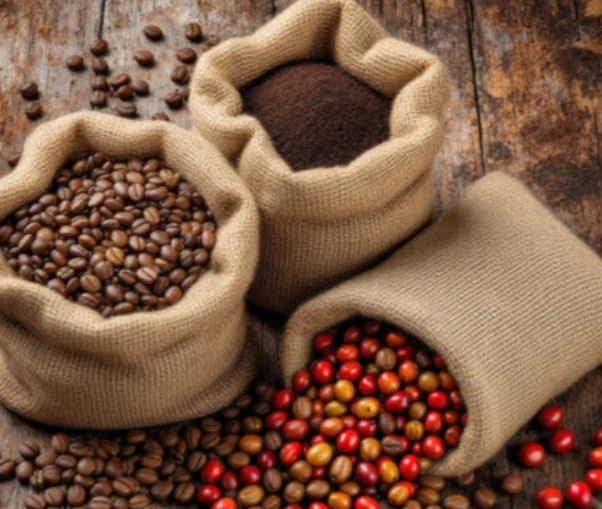
Blockchain-based traceability systems, satellite crop monitoring, and real-time logistics tracking are beginning to transform the coffee supply chain from an information-opaque process to a fully traceable, data-rich system. These technologies are starting with large commodity operations but are increasingly accessible to specialty operators.
Conclusion
The pursuit of the best coffee beans is a supply chain story as much as a quality story. The entrepreneurs who understand this and invest accordingly in supplier relationships, information transparency, and risk diversification build businesses that are resilient, trusted, and genuinely difficult to displace.






Post Comment